Oboe Wood
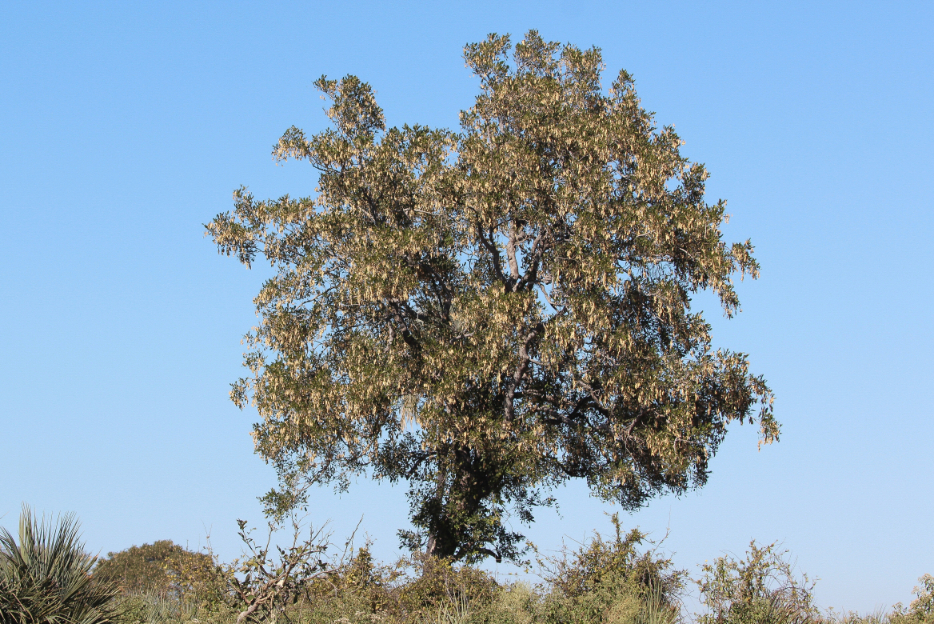
The life of an Oboe begins 200 years before a Howarth craftsman starts their work. This is the time it takes for a grenadilla tree (dalbergia melanoxylon) to mature to a harvestable size. We mostly use grenadilla for our Oboes which is a dark brown/black colour and is supplied to us from Tanzania and Mozambique in East Africa. We also use cocobolo (dalbergia retusa) which is red/orange in colour and grows in South America and mopane (colophospermum mopane) which is a dark reddish brown and grows in Southern Africa.
Billets
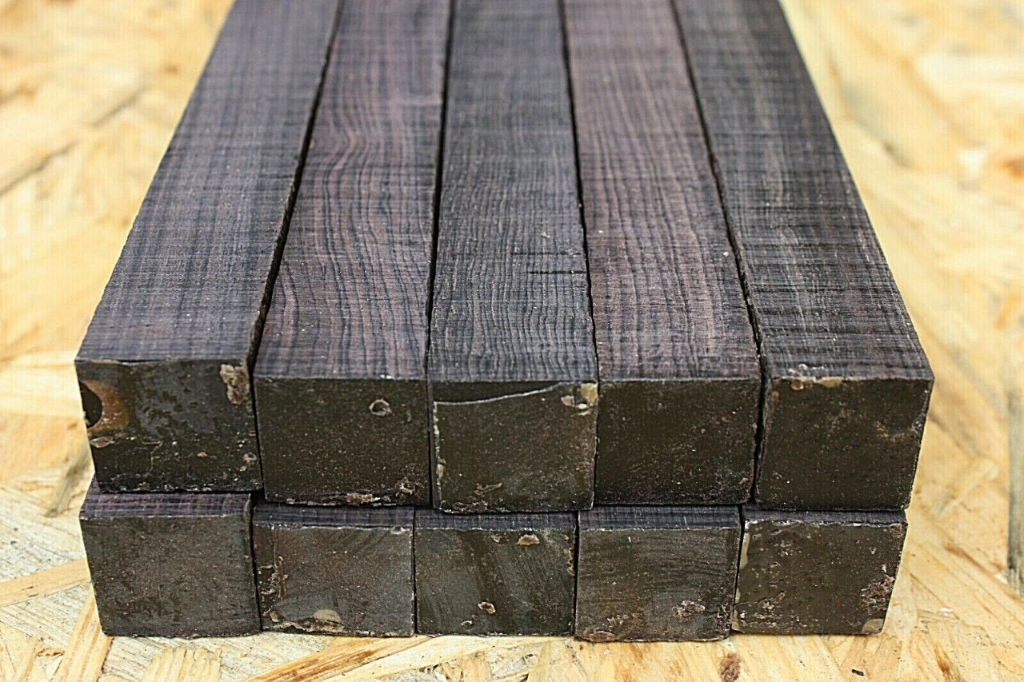
The wood we use for our Oboes comes to us in square blocks called billets. It takes approximately ten hours spread over several years to turn these billets into the three wooden parts that make up the body of the Oboe. Once the billets have been rough turned and drilled with a pilot hole, they are then stored and seasoned for several years.
Turning
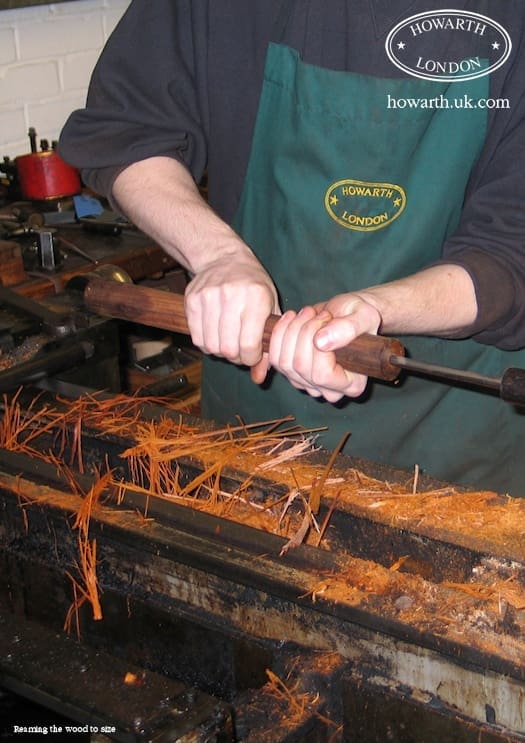
The billets reach their final shape through different stages and are rested in between each stage. When the billets have been turned into a cylindrical shape and a pilot hole has been drilled through the middle, the bored pilot hole is formed into a conical shape with a tool called a reamer. We then add a metal socket that will hold the Oboe reed and turn the external profile of the instrument.
Selecting Pieces
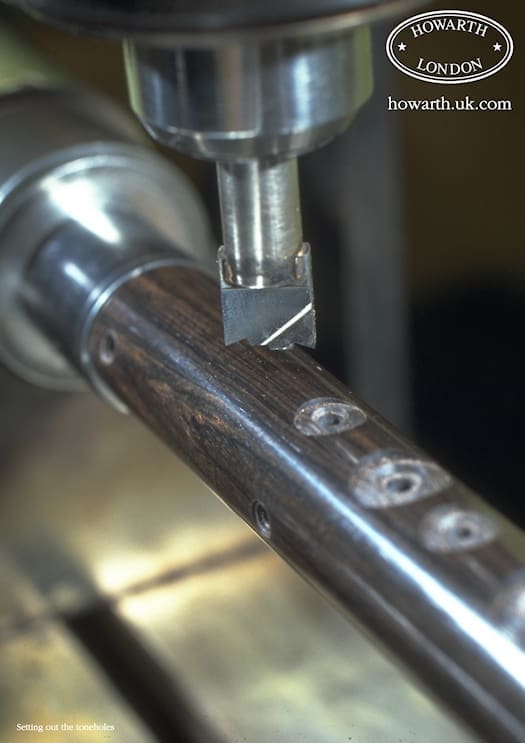
Once the wooden pieces have been machined, the three wooden parts (joints) of the oboe are selected and matched together. The end of each joint is machined so that the pieces all fit together. These pieces will now stay together for the life of the Oboe. The size and layout of the holes are then designed – these are what produce different notes. Precise measurements for the holes are uploaded to a computer which controls the drilling machine. The holes are then drilled, including any clearances needed to accommodate keywork.
Key Making
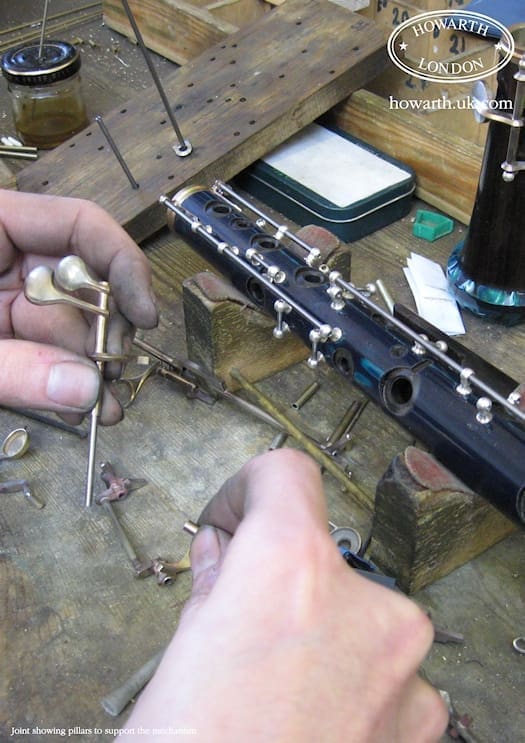
Each key on a Howarth instrument is hand-made, which can take between 20 and 60 hours depending on the model. Small posts are screwed into the threaded holes in the wooden body, which are lined up accurately by hand and then drilled to add a steel axel rod on which the individual keys move. Many of the posts have a small hole drilled through the stem to anchor a spring used to activate the mechanism – these tiny holes are less than half a millimetre in diameter and are drilled freehand!
Key Fitting
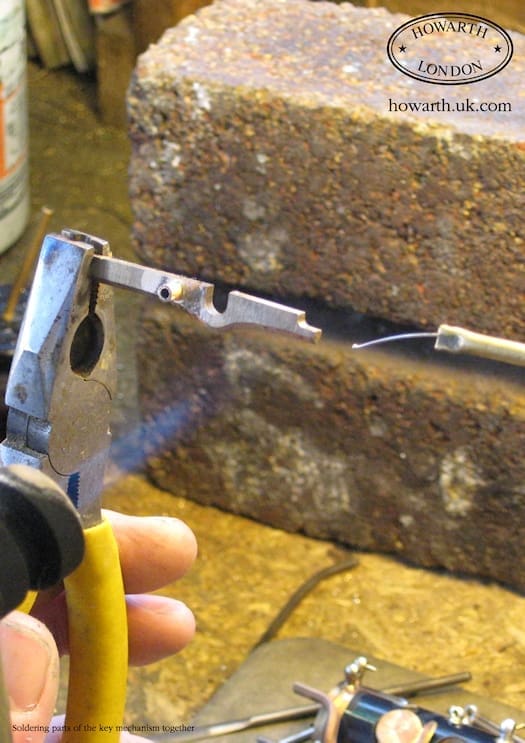
Our skilled technicians work with up to 200 metal components when assembling the keywork. The keys are hand-fitted to each instrument to ensure a precise fit between the pillars. These pieces are silver soldered together. The metal components are made from nickel silver and are each designed and machined to our specifications. Many of the keys are finished with a bevelled edge which are machined by hand. Once the keys have been fitted to the instrument, the mechanism is tested.
Key Plating
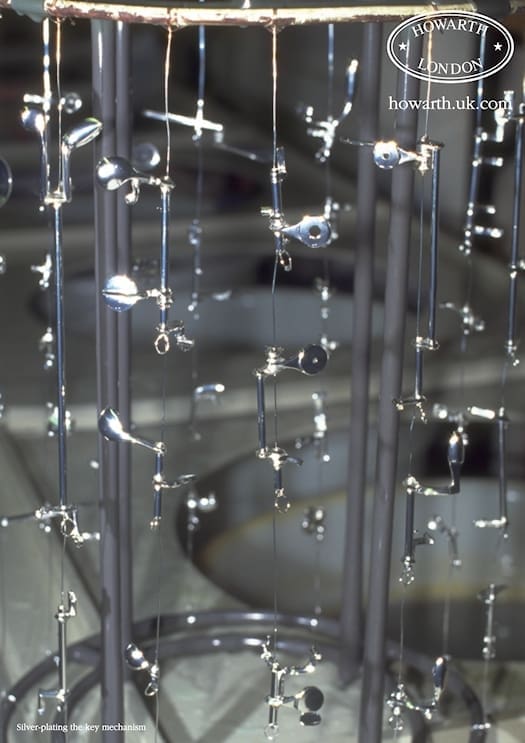
Once the mechanism has been built and tested, all the keys are taken off the instrument and are polished until they have a perfectly smooth surface. A generous layer of silver plating is then added to all keywork, which increases the dimensions of the keys. The original dimensions of the keywork are regained by removing some of the deposit from the silver plating from the inside and ends of the keys.
Final Assembly
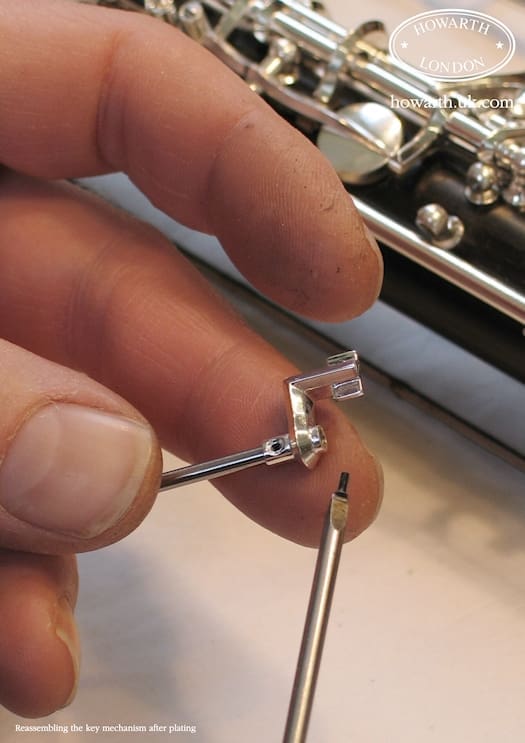
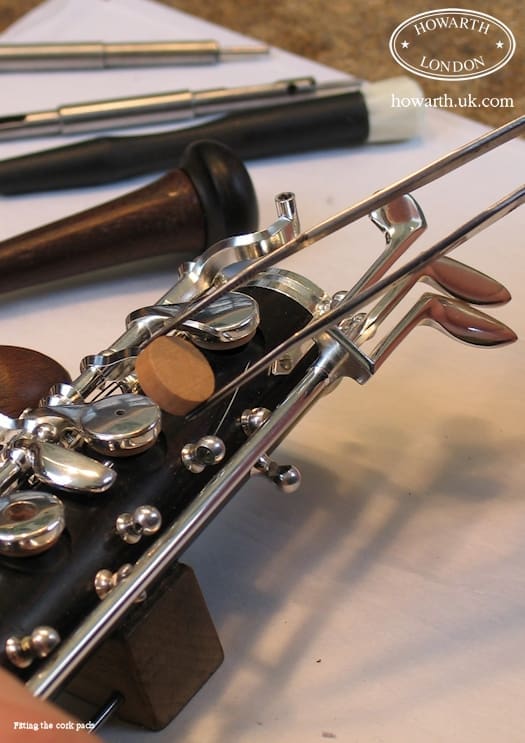
The oboe is now re-assembled for the last time. Keys are repositioned between the posts of the instrument and are carefully tested to ensure there is enough space to let the keys move. It takes up to 76 tiny screws to assemble an Oboe, depending on the model. These screws hold the keys in place and are used to make fine adjustments to the instruments. Pieces of cork from thin sheets are glued on to cushion the keys and the wooden body at each contact point on the instrument.
Padding
Cork and leather pads are used to ensure an airtight seal over each of the tone holes. Each pad is carefully adjusted so it fits perfectly into the keys and is affixed to the keys using a small amount of glue. Each cork pad is sanded to make sure that it fits perfectly against the finely cut rim of the tone-hole.
Testing
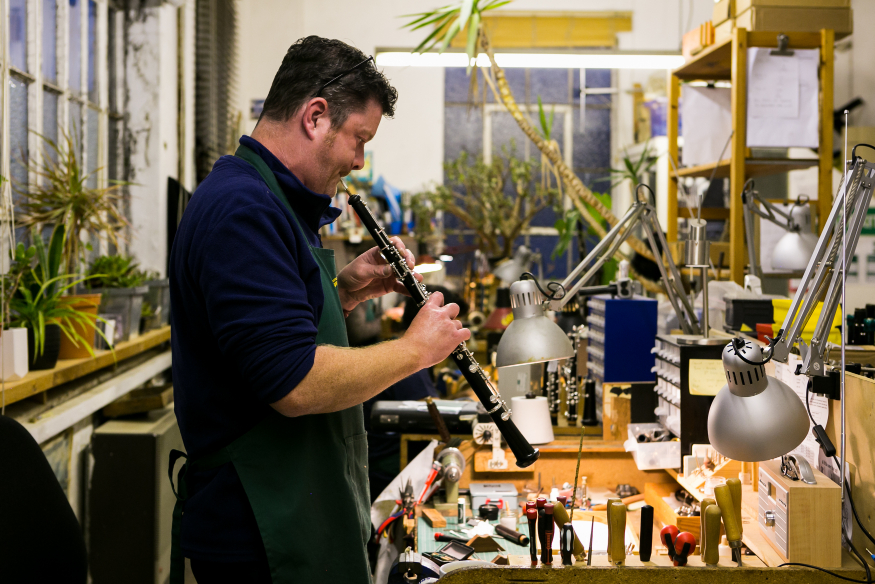
The instrument is now ready to produce its first musical sounds. Tiny adjustments are made to ensure evenness of tone and tuning, and the necessary mechanical precision. Only then is the instrument ready to be played and enjoyed by a musician. In all, six technicians will have spent upwards of 80 hours working with over 200 components in total to make what is accepted as one of the finest Oboes in the world.